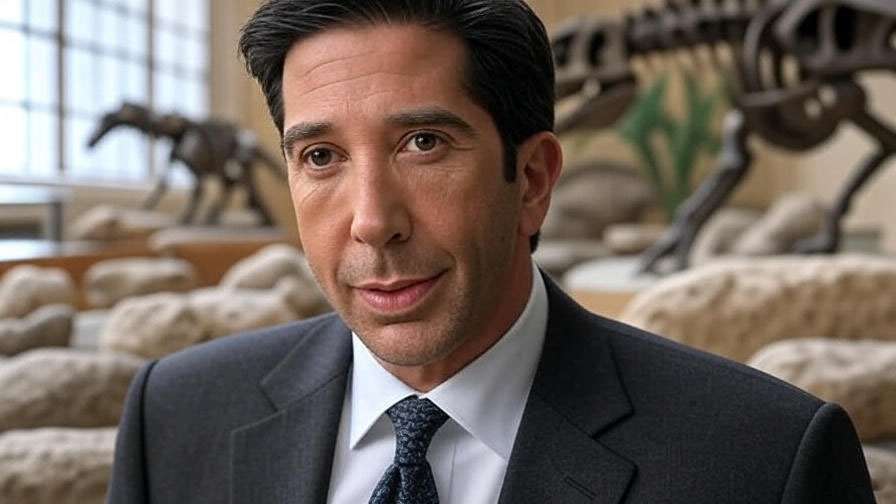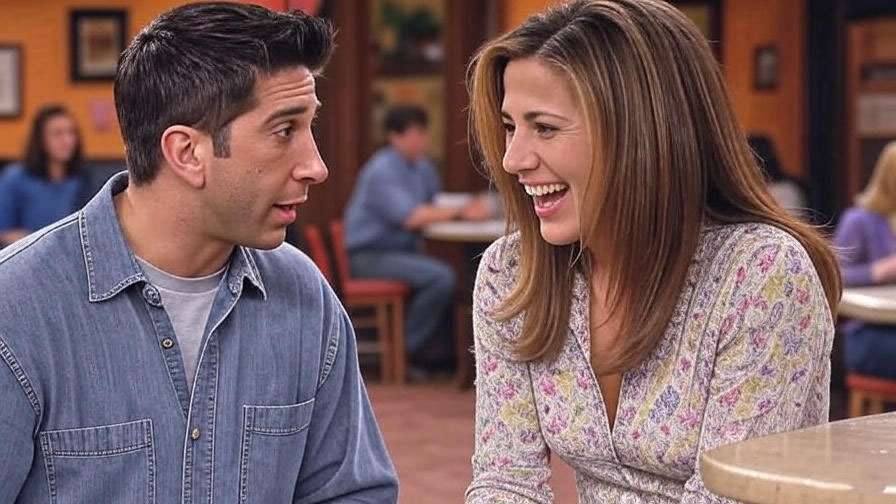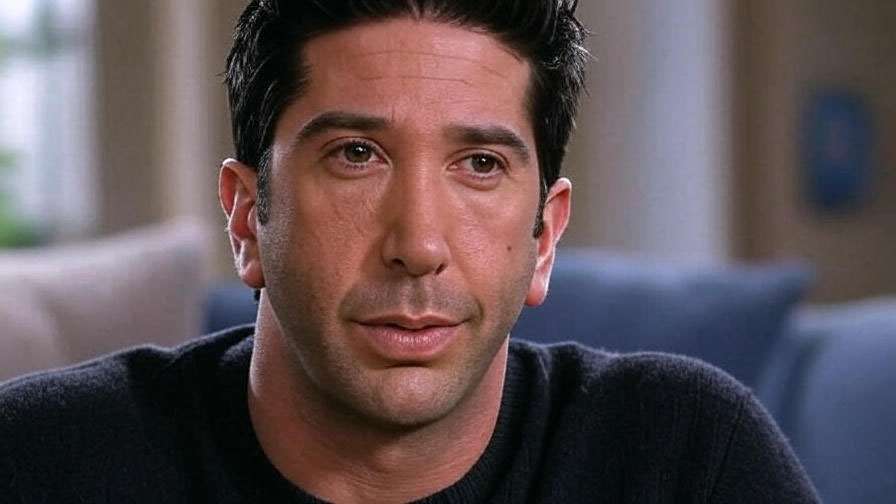
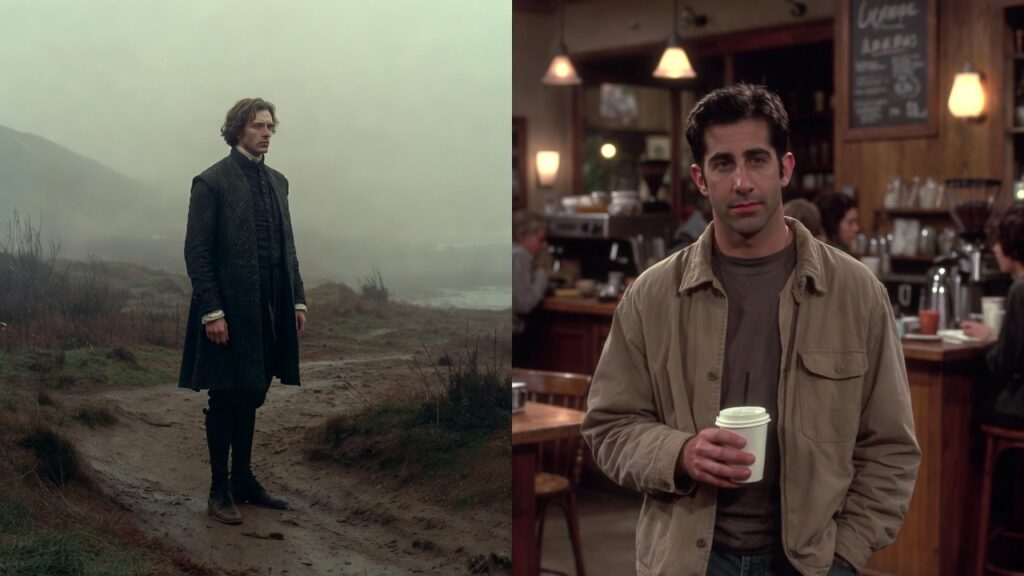
Imagine this: You’re sitting in Central Perk, coffee in hand, when Ross Geller bursts in with that classic wide-eyed look. He’s got news—maybe it’s about a new dinosaur discovery, or (more likely) another awkward update on his love life. He stammers, over-explains, and delivers it with all the enthusiasm of someone who knows it’s going to land poorly… but you listen anyway. Because Ross is reliable. He’s the guy who shows up, even when the truth hurts.
Now picture a windswept Scottish battlefield, ravens circling overhead. A nobleman named Ross rides in, breathless, to deliver battlefield victories, royal titles, and eventually heart-wrenching tragedies to King Duncan and his court. This Ross—Ross in Macbeth—is Shakespeare’s original bearer of crucial (and often unwelcome) news. As a loyal Scottish thane and messenger, he propels the tragedy forward with every dispatch.
For Friends fans who love diving into character quirks and nostalgic crossovers, exploring Ross in Macbeth offers a surprising parallel: both Rosses are dependable messengers navigating chaos with a mix of duty, awkwardness, and quiet heart. Whether it’s Shakespearean betrayal or sitcom drama, these figures remind us why we need reliable people in turbulent times.
In this deep-dive article, we’ll unpack Ross in Macbeth‘s role, key scenes, quotes, and evolution—drawing on Shakespeare’s text and scholarly insights—while highlighting fun, genuine parallels to Ross Geller. If you’ve ever wondered how a 400-year-old minor character echoes your favorite paleontologist’s vibes, keep reading. This isn’t forced fan fiction; it’s a thoughtful look at timeless traits like loyalty and truth-telling that bridge classic literature and 90s nostalgia.
Who Is Ross in Macbeth? A Quick Character Overview
William Shakespeare’s Macbeth (written around 1606) is a gripping tragedy about ambition, guilt, and the downfall of a once-noble warrior. Macbeth, a valiant general, receives prophecies from three witches that he will become king. Spurred by ambition (and his ruthless wife), he murders King Duncan and seizes the throne, plunging Scotland into tyranny and chaos.
Amid the schemers and tyrants stands Ross, a Scottish nobleman (thane) and cousin to Lady Macduff. Unlike flashy characters like Macbeth or the witches, Ross is a supporting figure—yet indispensable. Scholars often describe him as the play’s primary messenger, a role that bridges gaps between major events and characters. He reports victories, announces titles, questions unnatural events, warns of danger, and ultimately joins the rebellion against Macbeth.
Ross isn’t a villain or hero in the traditional sense. He’s pragmatic, eloquent, and morally aware, evolving from loyal servant to quiet resistor. His presence underscores themes of duty, surveillance, and how ordinary people navigate political upheaval. In adaptations like Joel Coen’s 2021 film The Tragedy of Macbeth (starring Alex Hassell as Ross), his role is amplified, emphasizing his watchful, almost omnipresent nature as witness and doer.
For Friends enthusiasts, this setup feels familiar: Ross Geller isn’t the loudest in the group (that’s Joey or Phoebe), but his intellect and reliability hold things together during breakups, moves, and crises.
Key Moments and Quotes: Ross as the Bearer of Fate-Changing News
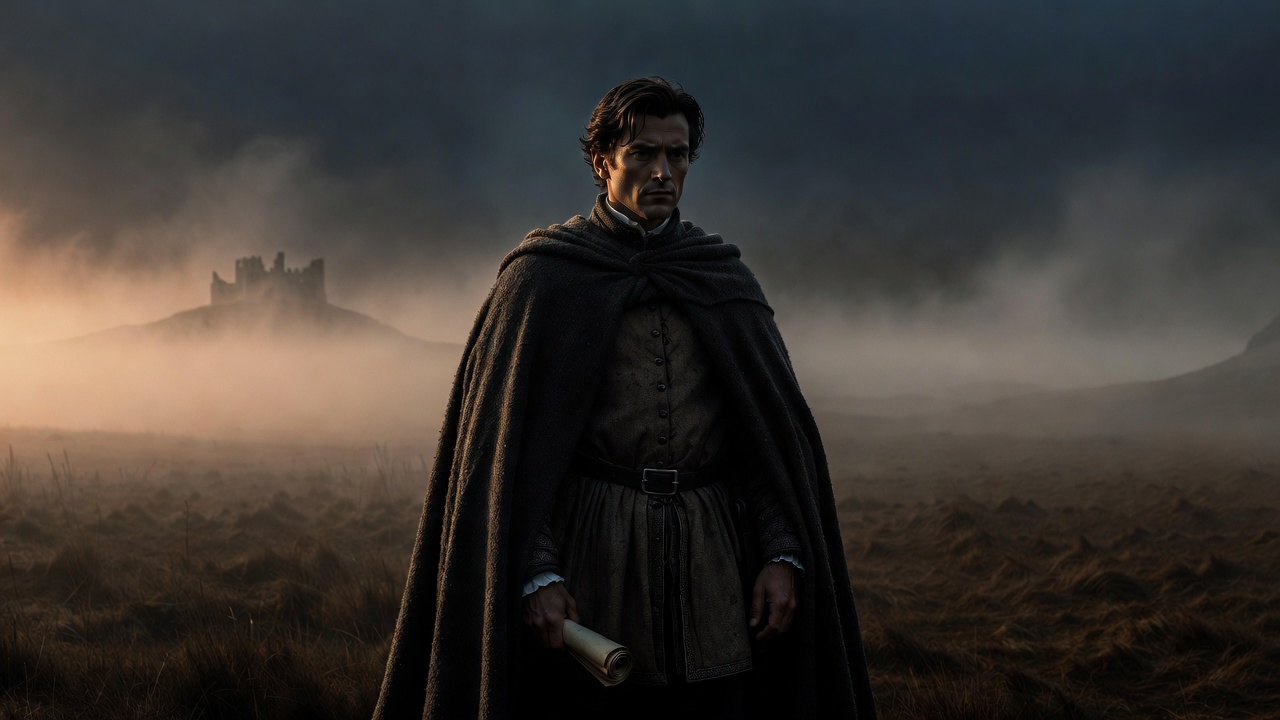
Ross appears in several pivotal scenes, each delivery advancing the plot and revealing Scotland’s descent into darkness. Let’s break them down with direct quotes from the Folio text.
Act 1 – Announcing Macbeth’s Rise
In Act 1, Scene 2, Ross bursts onto the scene fresh from battle, hailing King Duncan with news of victory:
“From Fife, great king; Where the Norweyan banners flout the sky And fan our people cold.”
He praises Macbeth’s bravery, describing him as “Bellona’s bridegroom” (a warrior matched only by the war goddess). Duncan rewards Macbeth with the title Thane of Cawdor—news Ross delivers in Act 1, Scene 3:
“The King hath happily received, Macbeth, The news of thy success… And, for an earnest of a greater honour, He bade me, from him, call thee Thane of Cawdor: In which addition, hail, most worthy Thane! For it is thine.”
This moment fulfills the witches’ first prophecy, igniting Macbeth’s ambition. Ross’s enthusiastic delivery mirrors how Ross Geller might excitedly share a paleontology breakthrough—full of facts, slightly breathless, unaware of the chaos it might unleash.
Act 2 – Witnessing Chaos After Duncan’s Murder
The morning after the regicide, unnatural signs plague Scotland: darkness at noon, wild horses, and owls killing falcons. Ross discusses these omens with an Old Man in Act 2, Scene 4:
“Ha, good father, Thou seest, the heavens, as troubled with man’s act, Threaten his bloody stage: by th’ clock ’tis day, And yet dark night strangles the travelling lamp.”
His poetic observation highlights cosmic disorder mirroring moral corruption—classic Shakespearean imagery of “unnatural deeds” breeding trouble.
Act 4 – The Heartbreaking Message to Lady Macduff
Ross’s most emotionally charged scene occurs in Act 4, Scene 2. Visiting his cousin Lady Macduff (whose husband has fled to England), he tries to console her amid rumors of danger:
“You must have patience, madam.”
When she accuses Macduff of abandoning his family, Ross defends him gently:
“You know not Whether it was his wisdom or his fear.”
He leaves abruptly—right before Macbeth’s murderers arrive. This near-miss adds tragic irony; Ross’s warning is too vague, too late. The scene’s tenderness echoes Ross Geller awkwardly comforting Rachel after their breakup or consoling Phoebe during tough times—wanting to help but fumbling the delivery.
Act 5 – Turning Against Macbeth
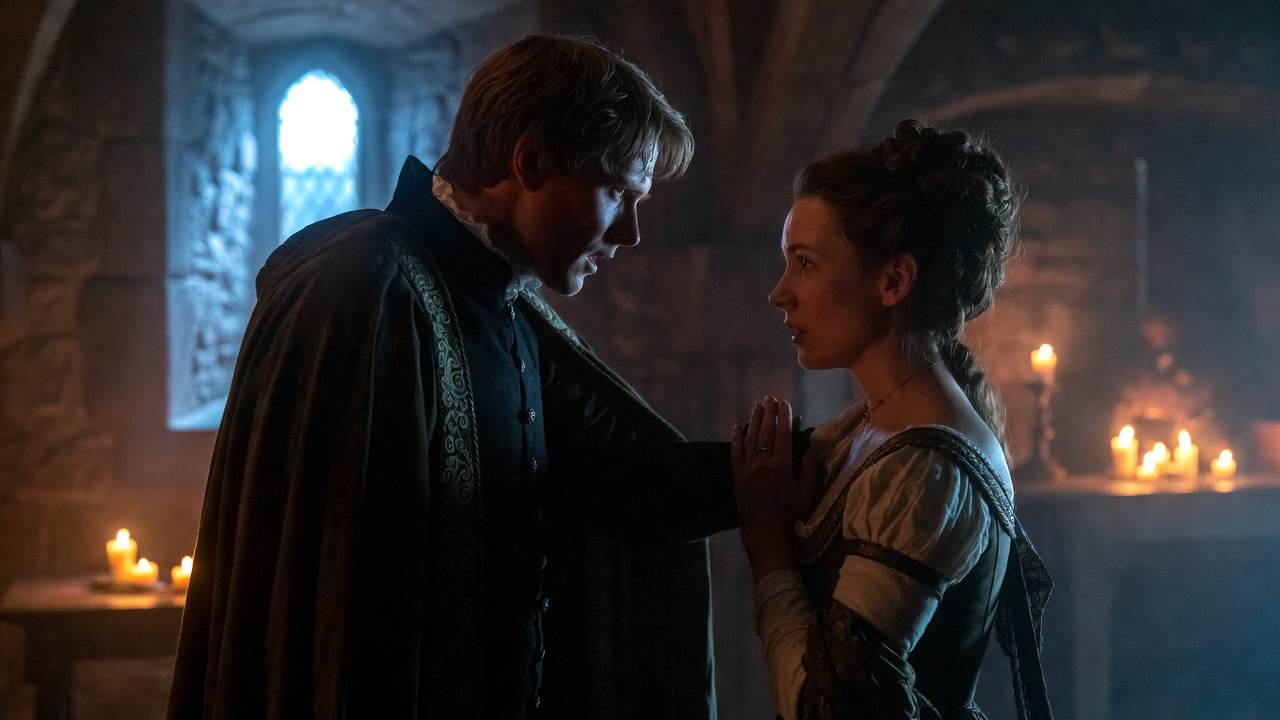
By the end, Ross joins Malcolm’s English forces. In Act 5, Scene 8, he delivers devastating news to Siward about his son’s death in battle:
“Your son, my lord, has paid a soldier’s debt: He only lived but till he was a man.”
His straightforward yet compassionate tone shows moral evolution—from loyal reporter to active rebel restoring order.

Ross’s Character Traits: Loyalty, Duty, and Moral Evolution
What makes Ross in Macbeth more than just a plot device is the quiet complexity of his character arc—one that modern readers and theatergoers often overlook. Unlike Macbeth, whose ambition consumes him, or Macduff, whose righteous fury drives vengeance, Ross operates in the gray space between obedience and conscience.
At the start of the play, Ross embodies unquestioning loyalty to the crown. His battlefield reports to Duncan are enthusiastic and deferential, reflecting the feudal code of honor that binds Scottish thanes to their king. Yet even early on, Shakespeare gives him a poetic sensibility that hints at deeper awareness. His descriptions of battle are vivid and almost lyrical, showing an observant mind beneath the courtly manners.
As the tragedy unfolds, Ross’s duty begins to conflict with his moral instincts. The conversation with the Old Man in Act 2, Scene 4 is telling: he doesn’t merely report events—he questions them. He notices the unnatural darkness and animal omens, subtly implying that something is profoundly wrong with the new order under Macbeth. This moment marks the beginning of his moral evolution.
The Lady Macduff scene in Act 4 is the emotional turning point. Ross doesn’t just deliver news; he tries—however inadequately—to protect her. His repeated plea for “patience” reveals compassion, even as he recognizes he cannot openly defy Macbeth without endangering himself and others. Scholars such as Janet Adelman and Stephen Greenblatt have noted that characters like Ross represent the “ordinary nobility” caught in tyrannical regimes: they survive by adapting, yet their quiet discomfort signals the possibility of resistance.
By Act 5, Ross has fully transitioned. He fights alongside Malcolm and the English army, risking his life to restore legitimate rule. His delivery of Young Siward’s death to the grieving father is measured and empathetic:
“Your son, my lord, has paid a soldier’s debt: He only lived but till he was a man; But like a man he died.”
The repetition of “man” underscores both loss and honor—Ross honors the boy’s bravery while acknowledging the tragedy. This evolution from passive messenger to active participant mirrors real historical figures who navigated dangerous political shifts without becoming either hero or villain.
In a broader sense, Ross symbolizes how ordinary people bear witness to—and eventually help correct—moral collapse. He is neither the architect of evil nor its loudest opponent; he is the connective tissue that keeps the story moving while quietly registering its human cost.
The Ross Geller Connection: Why Shakespeare’s Ross Feels So Familiar to Friends Fans
This is the part Friends superfans have been waiting for: the genuine, non-forced parallels between Shakespeare’s Ross in Macbeth and our beloved Dr. Ross Geller.
At first glance, the comparison might seem whimsical. One is a 17th-century Scottish thane delivering messages that shape a kingdom’s fate; the other is a paleontologist delivering monologues about pivot techniques and “we were on a break.” Yet the overlap in function, personality, and emotional role is striking—and surprisingly illuminating.
Both Are Reliable Messengers of (Often Unwelcome) News
Shakespeare’s Ross exists to carry information—good, bad, ambiguous, catastrophic. He doesn’t create the drama; he reports it. Similarly, Ross Geller is frequently the group’s unofficial spokesperson for inconvenient truths:
- He tells Rachel the museum is closing early (Season 1).
- He explains the complexities of “on a break” (Season 3).
- He announces his divorce papers have arrived (multiple times).
- He delivers the news that Emily said Rachel’s name at the altar (Season 4 finale).
In both cases, the messenger role is thankless. People shoot the messenger—literally in Macbeth’s Scotland, metaphorically in Monica’s apartment. Yet both Rosses persist because the information must be shared.
Awkward Yet Endearing Delivery Style
Shakespeare writes Ross’s speeches in formal, slightly hesitant verse when the news is difficult. He chooses careful words, avoids direct confrontation, and often qualifies his statements (“You must have patience, madam”). Sound familiar?
Ross Geller’s communication style is defined by over-explanation, nervous tangents, hand gestures, and a desperate need to be understood. Whether he’s lecturing about the “third layer of skin” or trying to justify a paleontological theory, his delivery is earnest, wordy, and occasionally exhausting—but always sincere.
Both characters use language as a shield and a bridge: they talk around pain because facing it head-on is too raw.
Loyalty Through Chaos
Despite personal cost, both remain loyal to their “tribe.”
- Shakespeare’s Ross ultimately chooses the greater good (supporting Malcolm) over personal safety or short-term allegiance to Macbeth.
- Ross Geller repeatedly forgives, supports, and shows up for his friends—even after epic fights, breakups, and humiliations. When Chandler and Monica get married, when Phoebe has triplets, when Rachel gives birth—Ross is there, often awkwardly, but reliably.
This steadfastness makes them the emotional anchors of their respective stories.
The ‘Underdog’ Reliability Factor
Neither character is the star. Macbeth is the tragic hero; Chandler and Monica are the romantic leads. Yet remove Ross from either narrative, and the structure collapses.
- Without Ross in Macbeth, key plot transitions stall, and the moral temperature of Scotland’s nobility is harder to gauge.
- Without Ross Geller, the Central Perk gang loses its intellectual center, its moral compass during crises, and half its best punchlines.
Both are quietly indispensable—proof that reliability and heart often matter more than flash.
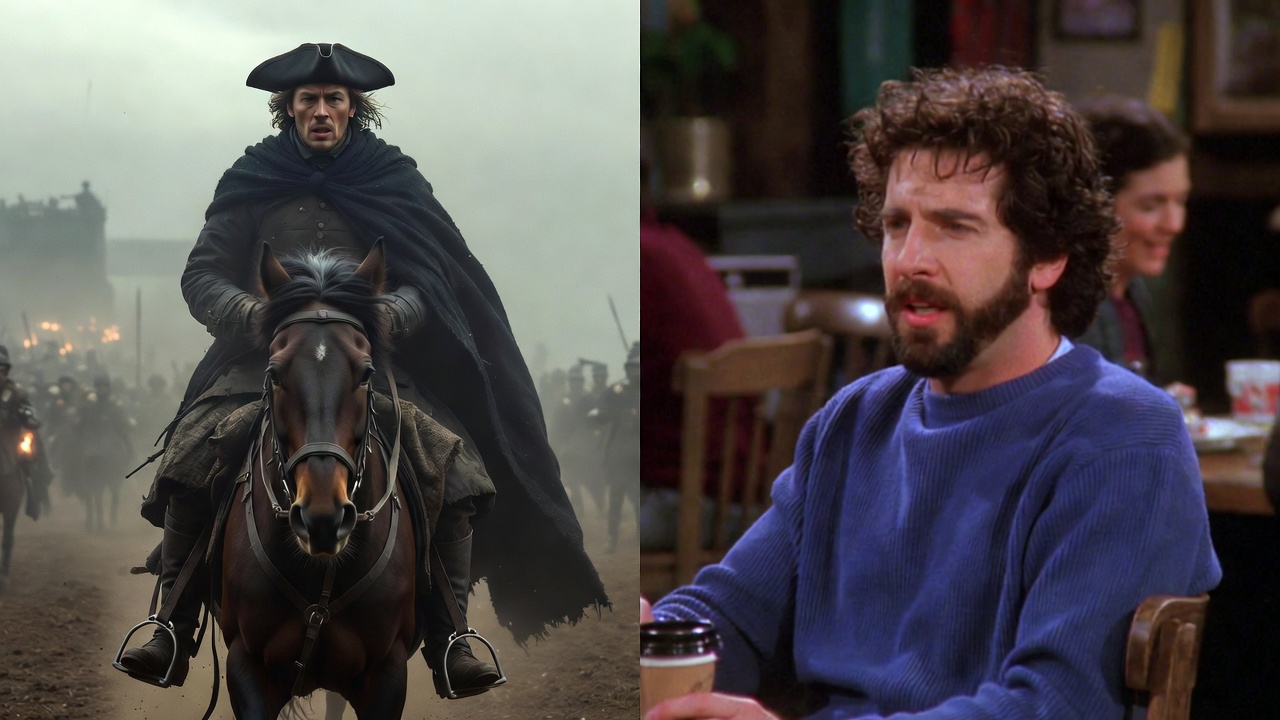
Why Ross Matters: The Unsung Hero in Macbeth (and Lessons for Modern Viewers)
In most discussions of Macbeth, attention naturally gravitates toward the magnetic central figures: the ambitious Macbeth, the steel-willed Lady Macbeth, the vengeful Macduff, or the enigmatic witches. Ross, by contrast, rarely receives star billing. Yet his understated presence is precisely what makes him so compelling—and so relevant centuries later.
Ross functions as the play’s moral barometer. Through his eyes (and his increasingly conflicted reports), we witness Scotland’s slide from order into tyranny. He doesn’t orchestrate events, but he registers their human toll more sensitively than almost anyone else. When he pleads with Lady Macduff to have patience, when he quietly joins Malcolm’s cause, when he delivers the news of a young soldier’s death with restrained dignity, Ross embodies a kind of everyday courage: the courage to keep showing up, to keep speaking truth (however cautiously), and eventually to act when the moment demands it.
This makes him an unexpectedly powerful figure for contemporary audiences. In an era of polarized politics, misinformation, whistleblowers, and everyday people caught between institutional loyalty and personal conscience, Ross feels strikingly modern. He reminds us that history is rarely shaped only by the loud villains or the heroic rebels—often it turns on the quiet decisions of the “messengers” who decide which side of history they will stand on.
For Friends fans, this resonates on a lighter but no less meaningful level. Ross Geller isn’t saving a kingdom, but he is repeatedly the person who holds the group together when everything else is falling apart. He’s the one who remembers anniversaries, organizes game nights, explains complicated emotions in too many words, and—most importantly—never truly abandons anyone, even when he’s hurt or angry. In both stories, the “Ross” character teaches us that reliability, empathy, and persistence matter more than charisma or bravado.
In a world that often celebrates disruption and spectacle, both Rosses quietly affirm the value of showing up, telling the truth (even awkwardly), and choosing loyalty to people over loyalty to power.
Fun Facts, Adaptations, and Easter Eggs
Here are some lesser-known tidbits and connections that deepen appreciation of both characters:
- Adaptation Spotlight: In Joel Coen’s 2021 black-and-white film The Tragedy of Macbeth, actor Alex Hassell gives Ross a watchful, almost ghostly presence. His quiet intensity makes the character feel more central than in many stage productions—almost like a silent chorus commenting on the tragedy.
- The Third Murderer Theory: Some scholars speculate that Ross is secretly the mysterious Third Murderer who helps kill Banquo in Act 3. While not widely accepted, the theory persists because Ross is the only character who could plausibly know the timing and location.
- Shakespeare in Friends: The series contains several Shakespeare nods—Joey auditions for Macbeth (Season 6), Phoebe performs dramatic monologues, and Lady Macbeth is referenced more than once. No direct Ross-to-Ross link exists, but the literary undercurrent adds nostalgic charm to the crossover.
- Five Reasons Shakespeare’s Ross Would Fit in Central Perk:
- He’d bring excellent battlefield stories (and probably over-explain the tactics).
- He’d be the only one who actually listens during group arguments.
- He’d awkwardly try to mediate every fight.
- He’d order black coffee and then lecture everyone on its historical origins.
- When things got really bad, he’d quietly help fix them without taking credit.
These small connections keep the bridge between 1606 and the 1990s alive and enjoyable.
FAQs About Ross in Macbeth
Who is Ross related to in Macbeth? Ross is explicitly identified as Lady Macduff’s cousin (Act 4, Scene 2). This familial tie makes his visit—and his failure to fully protect her—even more poignant.
Does Ross betray Macbeth? Not in the dramatic, treacherous sense. He never conspires against Macbeth while serving him. Instead, he gradually withdraws loyalty as Macbeth’s tyranny becomes undeniable, eventually joining the opposing side. It’s a principled shift rather than a betrayal.
Why is Ross important if he’s not a main character? Ross serves as the play’s primary narrative connector. He moves information between locations and characters, provides exposition, and offers a moral perspective from someone who isn’t directly implicated in the major crimes. Without him, the audience would miss crucial transitions and emotional shading.
Is there any real connection between Ross in Macbeth and Ross Geller? No direct link exists—no writer ever confirmed Shakespeare inspired the Friends character name. The similarity is coincidental but delightfully serendipitous, especially given the shared “messenger” archetype and awkward-yet-reliable personality.
What are the best adaptations to see Ross’s role clearly?
- Joel Coen’s 2021 film (Alex Hassell as Ross) – visually striking and emphasizes his watchful presence.
- Roman Polanski’s 1971 version – more traditional, with Ross played subtly.
- The 2015 Justin Kurzel film (with David Thewlis) – gives Ross a grounded, weary nobility.
Conclusion
Shakespeare’s Ross in Macbeth may never get top billing, but his role is quietly essential. He carries news that changes destinies, witnesses horror without losing his humanity, and ultimately chooses the side of restoration over tyranny. In doing so, he becomes a timeless reminder that ordinary loyalty, careful truth-telling, and moral persistence can matter just as much as grand ambition or heroic vengeance.
For those of us who grew up watching Ross Geller stumble through life with heart and stubborn reliability, the parallel feels almost comforting. Whether delivering news of a battlefield victory, a museum exhibit closing, a royal title, or another painful breakup, both Rosses show us that being the dependable one—the one who shows up, speaks up (however awkwardly), and stays loyal—is a quiet form of heroism.
So the next time you rewatch Friends and see Ross awkwardly pivot a couch up the stairs or explain dinosaurs to a room full of eye-rolls, smile a little. Somewhere in the 17th-century text of Macbeth, another Ross is doing the same thing—carrying the news, holding the line, and reminding us that even in the darkest times, the world still needs its reliable messengers.
Which Ross Geller “messenger moment” is your favorite? Drop it in the comments below—we’d love to hear your nostalgic stories. And if you enjoyed this literary-sitcom crossover, subscribe for more deep dives that blend classic stories with the shows we still quote every day.