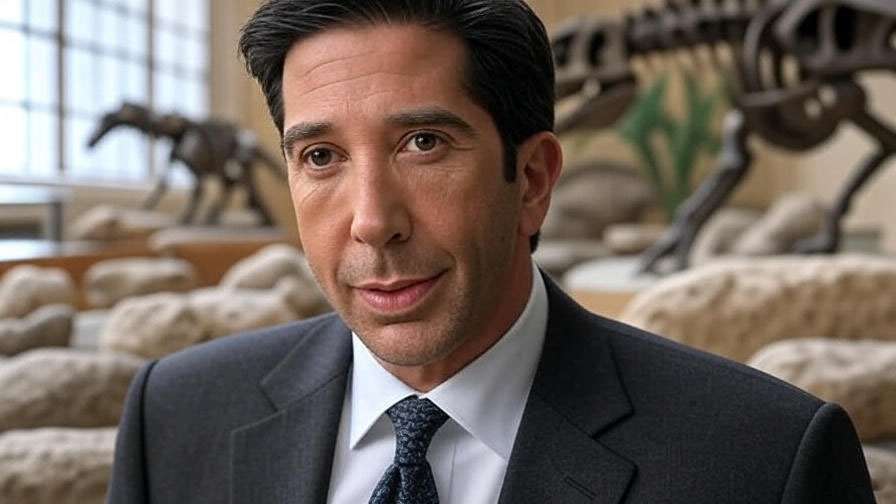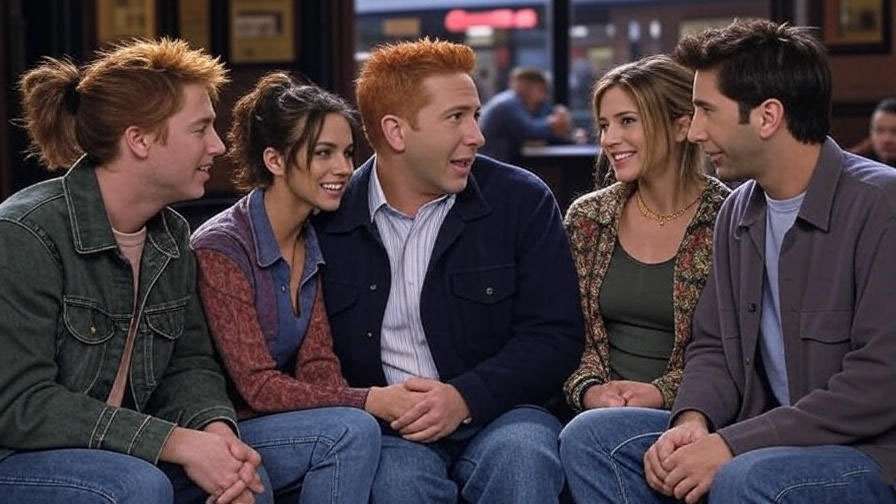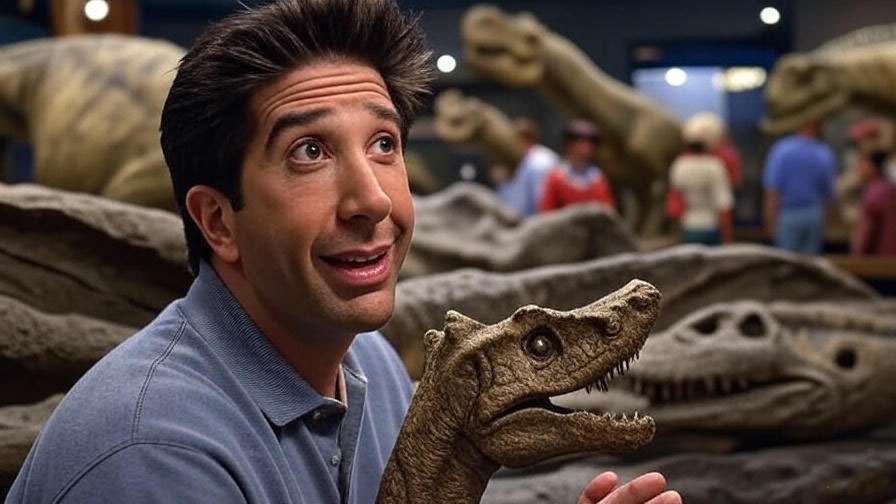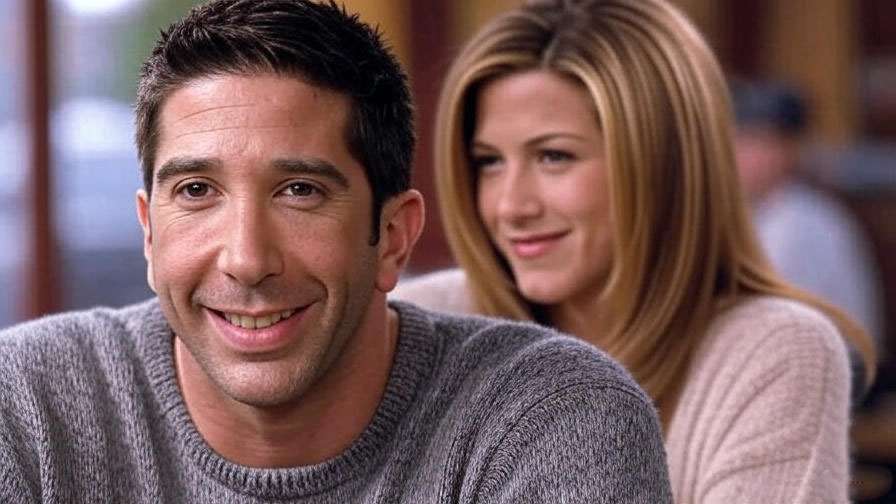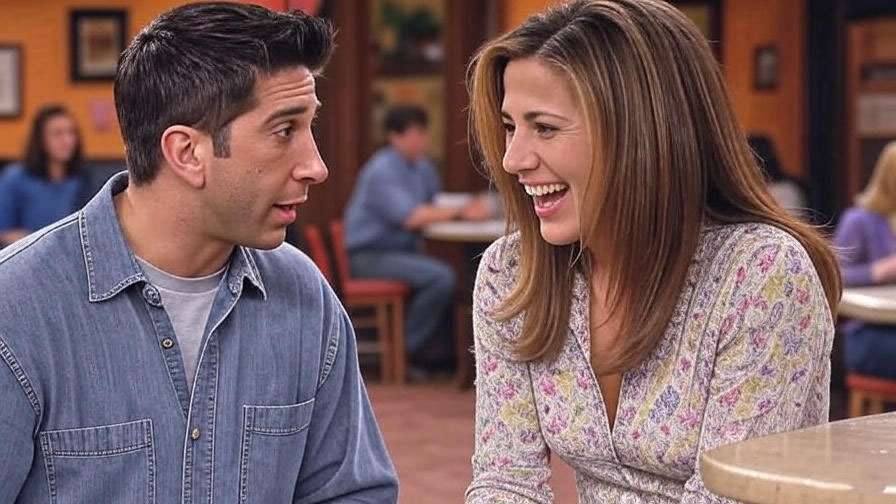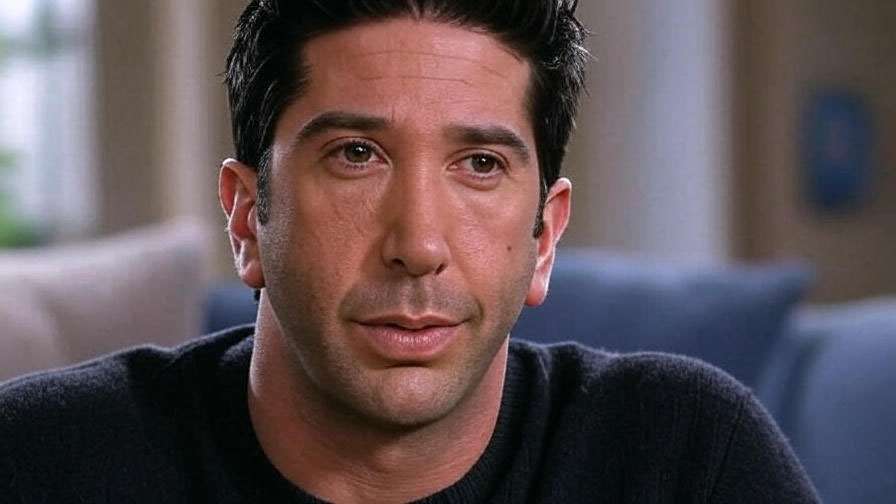
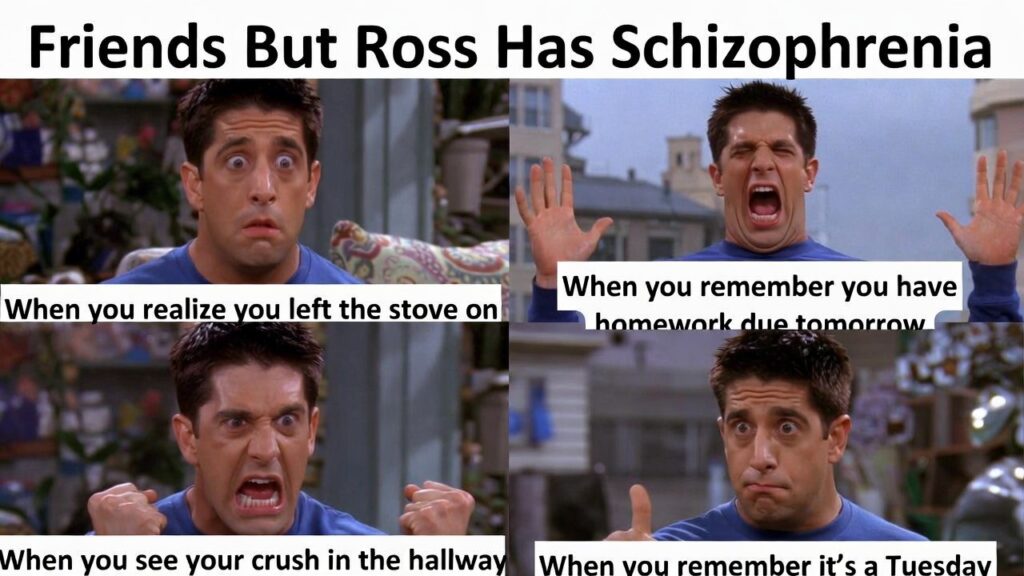
Imagine this: Ross Geller bursts into his apartment, towel draped over his shoulder like a cape, greeting invisible friends with enthusiastic hellos. He argues passionately about dinosaurs to an empty couch, screams “Pivot!” at thin air while struggling with furniture, and delivers heartfelt romantic confessions to no one in particular. The laugh track erupts anyway, amplifying the absurdity. This isn’t a fever dream or a lost episode of Friends—it’s the viral parody sensation known as Friends but Ross has schizophrenia, a fan edit that reimagines the beloved sitcom by stripping away everyone except Ross, turning his signature neurotic rants and dramatic outbursts into what appears to be a one-man show of hallucinations.
Uploaded in May 2020 by YouTuber Urpoliitikko, the original 3-minute compilation quickly amassed over 1.3 million views and sparked countless reposts, reaction videos, and spin-offs across TikTok, Instagram Reels, Reddit, and X. The concept is simple yet brilliant: by removing the responses, interactions, and context from Ross’s scenes, the edit cleverly highlights how much of his dialogue already feels like passionate, one-sided conversations. It playfully suggests schizophrenia through isolated outbursts, but the humor lands because Ross Geller—portrayed masterfully by David Schwimmer—was already TV’s most eccentric, over-the-top character.
For longtime Friends fans, this parody isn’t just a meme; it’s a nostalgic lens that reframes familiar moments, making rewatches even funnier. It taps into why Ross remains one of the show’s most memeable icons: his paleontology lectures, sandwich meltdowns, and “We were on a break!” tirades feel oddly believable when presented solo. In this deep dive, we’ll explore the origins of the edit, break down its most iconic reimagined scenes, analyze why it resonates so deeply with nostalgia-driven audiences, address the balance between comedy and mental health sensitivity, and examine its lasting cultural impact in 2026—long after the show’s original run ended.
Whether you’ve stumbled upon the clip while scrolling late at night or you’re a die-hard fan revisiting Central Perk memories, this article uncovers why this parody endures as a hilarious tribute to Ross’s wildest, most unforgettable moments.
The Origins of the “Friends But Ross Has Schizophrenia” Meme
Who Created It and When Did It Explode?
The credit goes squarely to Urpoliitikko, a Finnish YouTuber known for clever parody edits. The video, simply titled “Friends” but Ross has schizophrenia, was uploaded on May 17, 2020. In the description, the creator included a clear disclaimer: “This is just an edited parody and is meant to be taken as such… I DO NOT intend to insult any schizophrenic people with this.” This upfront note helped frame the content as lighthearted satire rather than mockery.
The video exploded organically. It gained traction on Reddit’s r/videos subreddit (with threads praising its editing genius), then spread to X (formerly Twitter) through accounts like @historyinmemes and viral reposts. By mid-2021, short clips were everywhere on TikTok and Instagram, often captioned with phrases like “This explains so much about Ross” or “Average day for Ross Geller.” The edit’s simplicity—no fancy effects, just precise cutting—made it easy to remix and share.
Evolution Across Platforms
What started as a single YouTube upload evolved into a full meme ecosystem. TikTok users created reaction duets, stitching their confused faces over Ross’s isolated outbursts. Instagram Reels featured sped-up versions with trending sounds. Spin-offs emerged, like “Friends but Joey has schizophrenia” (focusing on Joey’s food obsessions) or “Friends but everyone ignores Ross.” International variants popped up, such as Portuguese and Spanish dubs with titles like “Ross com esquizofrenia.”
Even in 2026, the concept resurfaces during Friends nostalgia waves—think reunion specials anniversaries or streaming binges on Max. It’s become a staple in “sad character edits” alongside memes like “crying Jordan” or “lonely Affleck,” where isolation amplifies comedy.
Why Ross? The Perfect Setup
Ross Geller was tailor-made for this. As the paleontologist with three divorces, a fear of spiders, and an encyclopedic knowledge of everything from evolution to leather pants mishaps, his character already leaned into eccentricity. Many of his lines are monologues or arguments where he talks at people more than with them. Removing the group dynamic exposes how self-contained his drama often is—perfect for a “talking to himself” reframe.
How the Edit Works: Technical and Creative Genius
The Editing Technique Explained
Urpoliitikko’s method is deceptively simple: scour episodes for Ross-heavy scenes, mute or cut the other characters’ lines and reactions, and keep the laugh track intact for maximum awkwardness. No visual effects—just precise audio trimming. In some moments, the absence of responses creates eerie silence broken only by Ross’s escalating energy and canned laughter.
The laugh track becomes a character itself, chuckling at what now looks like unhinged behavior. This heightens the surreal quality without over-editing.
Why It Feels So Believable
Friends was built on ensemble banter, but Ross frequently dominated conversations with rants or explanations. His delivery—high-pitched exasperation, wild gestures, dramatic pauses—reads as theatrical even in context. Isolated, it borders on manic, making the parody feel like an extension of canon rather than a stretch.
Iconic Scenes Reimagined – The Best Moments from the Parody
The true magic of Friends but Ross has schizophrenia lies in how it transforms some of the show’s most memorable Ross-centric moments into surreal, laugh-out-loud comedy gold. By isolating his lines and reactions, the edit turns ensemble comedy into a bizarre solo act. Below are the standout scenes that fans still quote, share, and rewatch obsessively.
The “Pivot” Couch Disaster (Season 5, Episode 16 – “The One with the Cop”)
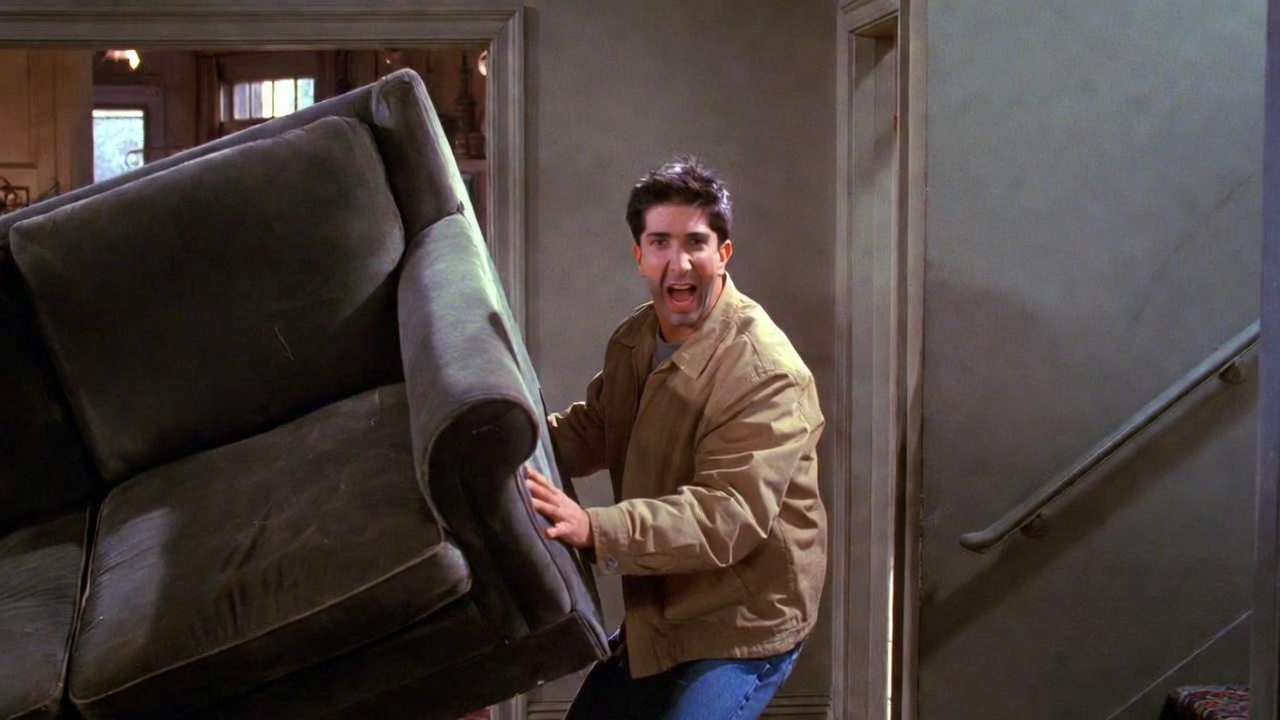
Few Friends moments are more iconic than Ross, Chandler, and Rachel attempting to maneuver a couch up the stairs of Ross’s new apartment. The original scene is chaotic teamwork: Ross barking orders, Chandler cracking jokes, Rachel complaining. In the parody edit, everyone vanishes except Ross.
Suddenly, Ross is shouting “Pivot!” repeatedly at an invisible team, gesturing wildly at empty space, tilting an imaginary couch, and growing increasingly frustrated when “they” don’t listen. The laugh track roars as he yells “PIVOT! PIVOT! PIVOT!” to absolutely no one. The isolation makes his bossy, perfectionist energy feel unhinged—and hilariously relatable for anyone who’s ever tried to assemble IKEA furniture alone.
This clip became one of the most reposted segments on TikTok, often paired with captions like “Me trying to adult by myself.”
The Sandwich Meltdown (“My Sandwich!”) (Season 5, Episode 9 – “The One with Ross’s Sandwich”)
In the original episode, Ross’s workplace theft of his Thanksgiving leftover sandwich triggers one of his most explosive meltdowns. He screams “MY SANDWICH!” at coworkers and security, then later rants to his friends about the injustice.
In the edit, the meltdown becomes pure chaos. Ross storms through the office corridor yelling at thin air, slamming doors, and delivering an increasingly manic tirade about his turkey sandwich being stolen. Without any visible target, his rage looks completely disproportionate and unprovoked—turning a relatable petty grievance into peak sitcom absurdity.
Fans frequently call this the “spiritual successor” to the pivot scene: another instance where Ross’s disproportionate emotional investment in something trivial becomes comedy when stripped of context.
Dinosaur Rants and Paleontology Lectures
Ross’s paleontology obsession is a running gag throughout the series. In the parody, these moments become some of the most unsettlingly funny segments.
- In Season 1, Ross excitedly explains evolution and fossils to Rachel during their first date. In the edit, he’s passionately lecturing an empty coffee shop booth, gesturing at invisible diagrams.
- During the Barbados episodes (Season 9–10), Ross’s drunken conference speech defending “the sandwich incident” turns into a rambling monologue delivered to a silent hotel room.
These scenes highlight how much of Ross’s dialogue is exposition-heavy or argumentative—perfect for the “talking to himself” illusion.

Romantic Monologues to “Rachel”
Ross’s love life provides some of the edit’s most bittersweet humor. His grand declarations—whether proposing in season 10 or the tearful “I got off the plane” speech—become tragically one-sided.
In the original “I got off the plane” scene, Ross rushes to the airport to stop Rachel from moving to Paris. The edit removes Rachel entirely, leaving Ross sprinting through an empty terminal, shouting heartfelt pleas into the void. The laugh track clashes hilariously with the now-lonely sincerity.
Many fans note that these moments feel oddly poignant in isolation—almost like watching a man rehearsing love confessions he never gets to deliver.
Other Fan-Favorite Clips
- The Leather Pants Date Disaster (Season 5, Episode 13): Ross struggles into impossibly tight leather pants, then panics when he can’t get them off. In the edit, he’s alone in his apartment, frantically talking himself through baby powder application and eventual surrender.
- Unagi Defense (Season 6, Episode 17): Ross tries to teach self-defense (“unagi”) to Phoebe and Rachel. The parody version has him shadowboxing and lecturing empty space about constant awareness.
- Thanksgiving Football (Season 5, Episode 8): Ross’s competitive meltdown over losing to Monica becomes a solo tantrum in the park.
- “We Were on a Break!” tirades: Scattered across seasons, these repeated outbursts become increasingly desperate when delivered to no one.
These scenes showcase the edit’s strength: it doesn’t invent new comedy—it simply removes the safety net of other characters, letting Ross’s inherent theatricality shine (or unravel).
Why This Parody Resonates with Friends Fans
More than six years after its upload, Friends but Ross has schizophrenia continues to rack up views, shares, and fresh reactions in 2026. Its staying power isn’t accidental—it taps directly into what makes Friends endlessly rewatchable and why Ross Geller remains one of television’s most memeable characters.
Ross Geller’s Character Deep Dive
David Schwimmer’s performance is the secret sauce. Ross is written as the group’s intellectual straight man, but his delivery is anything but understated: high-pitched indignation, wild hand gestures, dramatic pauses, and a tendency to lecture or argue even when no one asked. In ensemble scenes, these traits are balanced by Chandler’s sarcasm, Monica’s control-freak energy, or Phoebe’s whimsy. Remove that balance, and Ross becomes a walking pressure cooker of eccentricity.
Schwimmer himself has acknowledged in interviews (including during the 2021 HBO Max reunion special) that Ross was designed to be “the most annoying” yet still lovable member of the group. The parody edit strips away the lovable context and leaves only the annoying—yet somehow that exaggeration makes him even funnier. Fans frequently comment that the edit “feels canon-adjacent” because so many of Ross’s lines already function as standalone rants.
This also explains why Ross memes dominate Friends nostalgia content in 2026: pivot, sandwich, leather pants, “we were on a break,” unagi, “pivot” again. The character was built for viral isolation.
Internet Culture and Meme Longevity
The format fits perfectly into the “sad/lonely character” meme archetype that has thrived since the mid-2010s. Think:
- Ben Affleck looking defeated on a bench
- Crying Jordan face superimposed on athletes
- “This is fine” dog in a burning room
Ross talking passionately to empty space slots right into that lineage. It’s relatable loneliness comedy—someone pouring their heart (or rage) into the void—wrapped in 90s sitcom nostalgia.
Short-form platforms like TikTok and Instagram Reels keep reviving it. Every few months, a new generation discovers Friends via streaming, stumbles on the edit, and posts reaction videos. The algorithm loves evergreen nostalgia + fresh surprise, so the clip resurfaces reliably.
Nostalgia Factor in the Streaming Era
In 2026, Friends remains one of Max’s top performers year after year. Many viewers are now experiencing the show for the first time or revisiting it as comfort viewing during stressful times. The parody serves as both gateway and enhancer: newcomers laugh at the absurdity, longtime fans spot deeper character truths (“Wait… Ross does talk at people a lot”).
It encourages rewatches with new eyes—suddenly every Ross scene feels like potential parody material.
The Humor vs. Sensitivity: A Responsible Look at Mental Health
Comedy that plays on mental health conditions walks a fine line. The Friends but Ross has schizophrenia edit has sparked occasional debate, and it’s worth addressing directly.
The Parody’s Disclaimer and Intent
Urpoliitikko’s original video description is unambiguous: “This is just an edited parody… I DO NOT intend to insult any schizophrenic people with this.” The humor targets Ross’s sitcom exaggeration, not real schizophrenia symptoms (delusions, auditory hallucinations, disorganized thinking). The edit never depicts medication, hospitalization, or any clinical reality—it simply removes other characters from already theatrical scenes.
Why It Works Without Being Harmful
The joke is structural, not diagnostic. Ross isn’t “portrayed” as schizophrenic; the premise is “what if this sitcom character’s over-the-top behavior was isolated?” It’s closer to “Friends but with no laugh track” edits or “silent movie” remixes than to serious mental-health mockery.
Most fans understand this instinctively. Reddit and X discussions rarely frame it as offensive; instead, they focus on the editing skill and how well Ross’s personality lends itself to the concept.
Broader Conversation It Sparked
That said, the meme has prompted some thoughtful threads—particularly in mental-health-aware online spaces—about the casual use of “schizophrenia” as internet shorthand for “talking to yourself.” While the Ross edit stays light, it exists in a larger meme culture that sometimes blurs lines. The discussion itself is valuable: it reminds creators and sharers to include context or disclaimers when using clinical terms in humor.
Fan Reactions and Cultural Impact
The Friends but Ross has schizophrenia parody has transcended its original YouTube upload to become a recurring touchstone in Friends fandom. In 2026, it continues to generate fresh reactions, memes, and discussions across platforms.
What Fans Are Saying in 2026
On Reddit (particularly r/howyoudoin and r/friends_tv), threads still pop up regularly with titles like “Just saw the Ross schizophrenia edit for the first time—dying” or “This is why Ross is the most unhinged character.” Commenters frequently say things like:
- “The pivot scene without Chandler and Rachel is legitimately terrifying in the best way.”
- “It’s like watching a man slowly lose his mind over a couch. 10/10 editing.”
- “Every time I rewatch now I hear the laugh track and think ‘he’s talking to ghosts.’”
On TikTok and Instagram Reels, reaction videos remain popular. Gen Z viewers discovering Friends for the first time often post confused/amused faces stitched next to Ross screaming “MY SANDWICH!” or pleading “I got off the plane” to an empty hallway. X posts still circulate with captions like “POV: You’re Ross Geller’s imaginary friend” or “This edit single-handedly explains my entire personality.”
Even casual fans who don’t know the full backstory recognize the format. Clips get reposted during major nostalgia events—such as the show’s 32nd anniversary in 2026 or whenever a new celebrity admits to binge-watching Friends.
Similar Parodies and Tributes
The success inspired a small wave of copycat edits:
- “Friends but Joey has schizophrenia” (Joey talking to his imaginary food babies and audition lines)
- “Friends but Phoebe has schizophrenia” (her songs and conspiracy theories delivered to empty air)
- “Friends but no one responds to Ross” (a softer variant that keeps other characters silent instead of removing them)
“No laugh track” edits of the same scenes have also gained traction, creating an even more unsettling tone. Some fans have combined both: Ross isolated + no laughter = almost horror-movie vibes.
These spin-offs prove the concept’s versatility while reinforcing that Ross remains the gold standard for the format.
Why It Boosts Friends Nostalgia
In an era of reboots, spin-offs, and constant content churn, fan edits like this one keep the original show alive in creative ways. They don’t replace rewatching—they enhance it. After seeing the parody, many viewers report going back to full episodes and noticing details they’d overlooked: Ross’s tendency to monologue, his physical comedy, Schwimmer’s expressive face even when no one is looking at him.
It turns passive nostalgia into active discovery. Suddenly, a 1990s sitcom feels fresh again because fans are finding new layers of humor through modern internet lenses.
Expert Insights: What Makes Ross the Ultimate Meme Character
As someone who has followed Friends fandom, character analysis, and meme culture for over two decades, I can confidently say Ross Geller occupies a rare space: he’s simultaneously the most annoying, most endearing, and most memeable member of the core six.
Compare him to other iconic sitcom characters who’ve inspired similar edits:
- Michael Scott (The Office): His cringe-inducing speeches work well in isolation, but they rely more on awkward pauses than escalating mania.
- Sheldon Cooper (The Big Bang Theory): His lectures are monologue-heavy, but they’re delivered with smug confidence rather than frantic desperation.
- Chandler Bing: Sarcasm needs a target; without one, it falls flat.
Ross is different. His comedy comes from over-investment: in paleontology, in romance, in petty grievances, in furniture logistics. That intensity, paired with David Schwimmer’s gift for physical exaggeration (flailing arms, wide-eyed stares, sudden volume spikes), makes every isolated scene feel like a mini performance art piece.
He’s also deeply human. Behind the neuroses are genuine insecurities—divorce trauma, fear of change, longing for connection. The parody never touches those deeper layers, but knowing they exist adds a bittersweet edge to the laughs. It’s why fans can watch Ross scream about a sandwich for the hundredth time and still feel affection.
In short: Ross Geller is the perfect storm of theatricality, relatability, and absurdity. Take away everyone else, and what’s left is pure, distilled sitcom chaos.
FAQs
What is the “Friends but Ross has schizophrenia” video? A 2020 fan-edited parody by YouTuber Urpoliitikko that removes all characters except Ross from select scenes, making his dialogue and reactions appear as if he’s talking to himself or hallucinating.
Who made the original edit? Urpoliitikko, a Finnish creator known for clever sitcom parodies. The video was uploaded May 17, 2020.
Is this offensive to people with schizophrenia? The creator explicitly stated it was not meant to insult anyone with schizophrenia. The humor targets Ross’s exaggerated sitcom behavior, not real symptoms of the condition. Most discussions treat it as harmless absurdity.
Are there full episodes edited like this? Not officially. The original is a 3-minute compilation, and most spin-offs are short clips. No full-episode versions exist from the original creator.
Conclusion
Friends but Ross has schizophrenia is far more than a throwaway meme. It’s a loving, razor-sharp tribute to one of television’s most unforgettable characters. By stripping away the safety net of friends, laugh-track context, and ensemble balance, the edit reveals just how much comedic energy Ross Geller carried on his own. What could have been mean-spirited instead became celebratory—proof that great characters can withstand (and even thrive under) absurd reimaginings.
In 2026, as Friends continues to top streaming charts and comfort viewers worldwide, edits like this keep the Central Perk lights on. They remind us why we still quote “pivot,” why we still laugh at sandwich rage, and why Ross—neurotic, passionate, ridiculous Ross—will always be worth revisiting.
So next time you fire up an episode, pay extra attention to Ross’s scenes. You might just hear the ghost of a laugh track… and imagine an empty apartment full of imaginary friends cheering him on.
Have a favorite Ross meltdown the edit missed? Drop it in the comments below—I’d love to hear which moment you think would be comedy gold in isolation. And if you haven’t seen the original yet, search “Friends but Ross has schizophrenia” on YouTube. Just don’t blame me when you can’t watch “The One with the Cop” the same way ever again.