If you’ve ever paused during a Friends rewatch—perhaps right after Ross awkwardly announces in the pilot that his wife left him for a woman—and thought, “Wait, was her name Carol Ann Ross?” you’re not alone. Many fans searching for Carol Ann Ross on Friends end up diving into the world of Carol Willick, Ross Geller’s groundbreaking ex-wife, due to common misspellings, autocorrect mishaps, or fuzzy memories from endless streaming sessions. In reality, the character is Carol Willick (née Geller), the confident, witty, and trailblazing lesbian mother of Ross’s son Ben, whose story of self-discovery, co-parenting, and quiet strength remains one of the most quietly revolutionary elements of the iconic 90s sitcom.
As a longtime Friends nostalgia enthusiast who’s analyzed every episode, character arc, and cultural ripple effect for over a decade, I can tell you: Carol isn’t just “Ross’s ex.” She’s a symbol of acceptance, mature relationships after divorce, and early LGBTQ+ visibility on mainstream TV. Her arc—from college sweetheart to proud partner of Susan Bunch—offers lessons that feel even more relevant in today’s rewatches. Whether you’re clarifying a name mix-up or seeking deeper insights into why this recurring character still sparks discussion in fan forums, this comprehensive guide uncovers the untold layers of Carol Willick, including the real reasons behind her actress recast, key episode moments, behind-the-scenes truths, and her enduring legacy.
Who Is Carol Willick? The Basics of Ross’s Ex-Wife on Friends
Carol Willick enters the Friends universe as Ross’s high school and college sweetheart, the woman he married young and expected to spend his life with. Their marriage ends when Carol realizes she’s a lesbian and leaves Ross for her partner, Susan Bunch. This revelation hits in the very first episode (“The Pilot”), setting up Ross’s vulnerability and the group’s dynamic from day one.
Her central storyline revolves around her pregnancy with Ben—Ross’s biological son—discovered shortly after the split. Carol and Susan navigate co-parenting with Ross in a remarkably civil, mature way for a sitcom, emphasizing friendship and shared responsibility over bitterness. Carol works as a teacher, exudes confidence, and often serves as the grounded adult in chaotic group scenarios.
Carol’s Backstory and Role in the Series
Carol’s journey highlights themes of self-acceptance and evolving family structures. She comes out later in life, after years of heteronormative marriage, and builds a loving home with Susan. Their relationship normalizes same-sex partnership without fanfare—Carol simply lives authentically. This subtlety was radical in 1994-2001, when LGBTQ+ characters were rare and often stereotypical.
Ben becomes the bridge: Ross attends ultrasounds, helps with the birth, and shares holidays. Carol supports Ross’s growth, even walking down the aisle at her own wedding with him giving her away in spirit. Her arc shows divorce doesn’t erase love or family; it reshapes it.
The Actresses Behind Carol — The Famous Recast Explained
One of the most talked-about quirks in Friends history is that Carol was played by two different actresses.
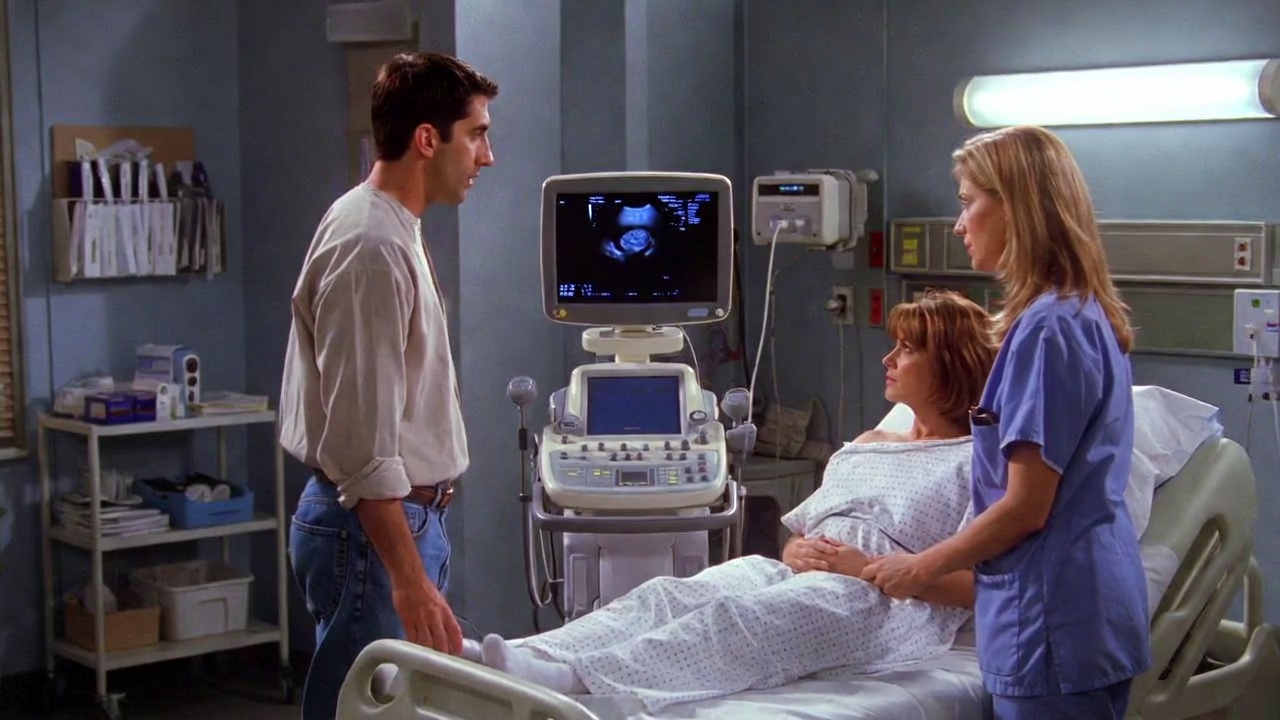
- Anita Barone portrayed Carol in her debut: Season 1, Episode 2 – “The One with the Sonogram at the End.” This iconic ultrasound scene introduces Ben’s heartbeat and the trio dynamic (Ross, Carol, Susan). Barone brought a sharp, slightly more reserved energy.
Barone left after one episode because she sought a more prominent, regular role elsewhere (she later appeared in shows like The Jeff Foxworthy Show). She auditioned originally hoping for a bigger part but accepted the recurring gig initially.
- Jane Sibbett took over starting in Season 1, Episode 9 – “The One Where Underdog Gets Away” (the Thanksgiving episode with the turkey head mishap). Sibbett, who had auditioned for Rachel Green but was unavailable due to pregnancy, jumped at the chance when producers called her back post-recast. She filmed her first scenes just days after giving birth to her son Kai, adding a real-life layer to Carol’s motherhood portrayal.
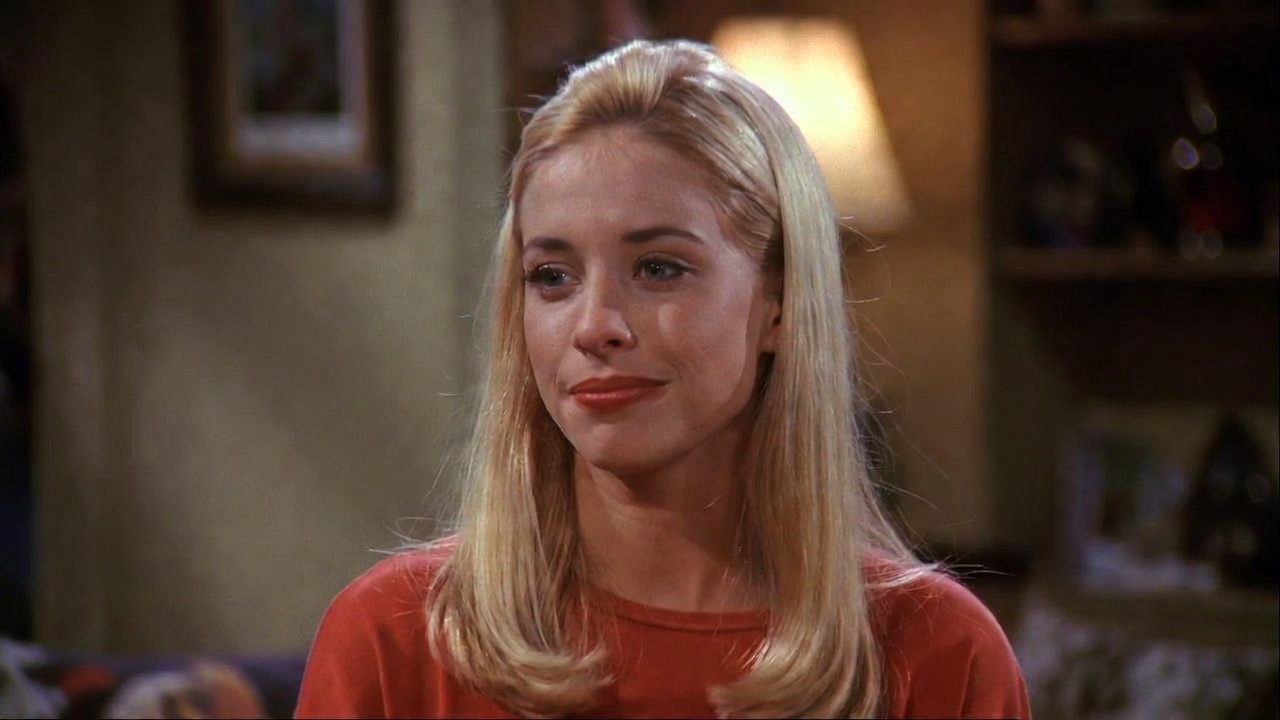
Sibbett’s warmer, more comedic take became definitive across 15 episodes. The switch is noticeable upon close inspection (Barone’s Carol has slightly different hair and demeanor), but the character consistency holds thanks to strong writing.
How Carol Fits into Ross’s Journey
Ross’s arc is defined by heartbreak, jealousy, and eventual acceptance. Carol forces him to confront his insecurities, grow in emotional maturity, and embrace non-traditional family. Moments like Ross walking Carol down the aisle at her wedding to Susan showcase his evolution from pained ex to supportive friend.
Iconic Episodes Featuring Carol Willick — Must-See Moments
Carol appears in 17 episodes total (Anita Barone in 1, Jane Sibbett in 16), often delivering humor, heart, and cultural milestones.
Season 1 Highlights — Introducing Carol, Susan, and Ben
- “The One with the Sonogram at the End” (S1E2): The heartbeat reveal. Ross, Carol, and Susan share a tender, awkward moment—pioneering positive co-parenting depiction.
- “The One Where Underdog Gets Away” (S1E9): First Sibbett appearance. Classic Thanksgiving chaos, with Carol’s turkey-on-head prank and family blending.
Memorable Mid-Series Appearances
- “The One with the Lesbian Wedding” (S2E11): Historic first lesbian wedding on network TV. Carol and Susan marry, officiated by real-life activist Candace Gingrich. Phoebe’s mom (guest star) attends. The episode faced bans in some markets but celebrated love openly.
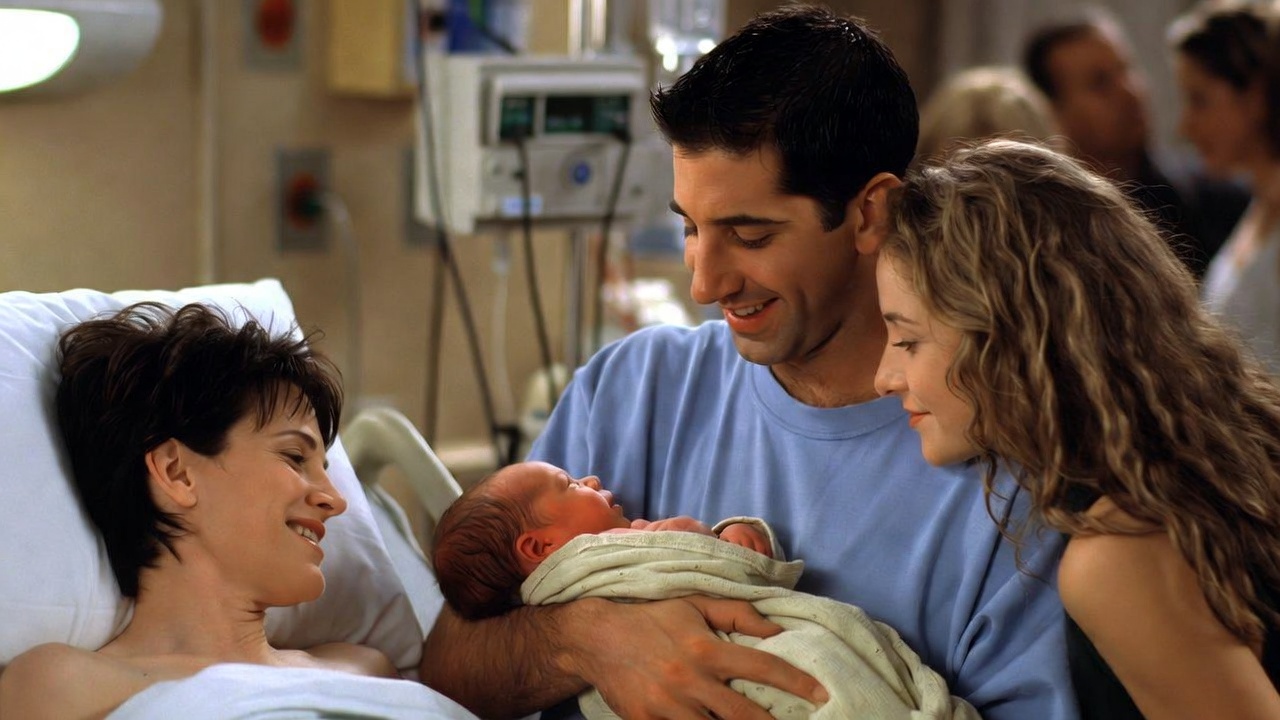
- “The One with the Birth” (S1E23): Ben’s delivery. The trio’s support system shines amid hospital antics.
Later Seasons and Emotional Depth
- “The One with the Candy Hearts” (S1E14): Valentine’s jealousy resolved maturely.
- “The One with the Holiday Armadillo” (S7E10): Blended holiday fun.
- “The One with the Truth About London” (S7E16): Final appearance—Ben learns about Ross and Chandler’s London mishap; Carol offers wisdom.
These episodes showcase Carol’s wit, compassion, and role in group dynamics.
Why Fans Still Love (and Sometimes Debate) Carol Willick Today
More than two decades after Friends wrapped its final season in 2004, Carol Willick continues to spark conversation among fans. On platforms like Reddit (r/howyoudoin, r/friends_tv_show), Twitter/X nostalgia threads, TikTok rewatches, and YouTube reaction videos, her name surfaces regularly. Some call her an underrated gem; others point out elements that haven’t aged perfectly. This duality is exactly why she remains compelling in the streaming era.
Groundbreaking Representation in the ’90s
When Friends premiered in 1994, openly gay characters on prime-time network television were extremely rare. Ellen DeGeneres wouldn’t come out on her own show until 1997, and Will & Grace (which built on similar ground) didn’t arrive until 1998. Carol and Susan’s relationship—portrayed as loving, committed, and unapologetic—was genuinely progressive for its time.
- Their casual domesticity (sharing parenting duties, planning a wedding, arguing over baby names) normalized same-sex couples in everyday life.
- The show never treated their relationship as a “problem” to be solved or a punchline to be mocked excessively. Instead, the humor came from Ross’s awkward adjustment and the group’s supportive (if occasionally clumsy) acceptance.
For many LGBTQ+ viewers who grew up watching Friends in the 90s and early 2000s, Carol represented one of the first times they saw a same-sex couple on TV who weren’t tragic figures or comic relief stereotypes. That visibility mattered.
The Good — What Makes Her Endearing
Carol’s appeal lies in her maturity and warmth:
- Confidence and humor — She delivers dry one-liners with perfect timing (e.g., calmly explaining to Ross why she’s leaving him, or teasing him about his jealousy).
- Compassion toward Ross — Despite the painful breakup, she never weaponizes their history. She encourages his dating life, attends group events, and even comforts him during vulnerable moments.
- Chemistry with the cast — Jane Sibbett’s natural rapport with David Schwimmer (Ross) and Jessica Hecht (Susan) makes every scene feel authentic. The trio dynamic is one of the show’s most emotionally grounded relationships.
- Realistic co-parenting — In an era when divorce storylines often leaned into bitterness or custody battles, Carol, Susan, and Ross model healthy communication and shared responsibility.
Fans frequently cite her as proof that Friends could handle serious topics with heart and levity.
The Problematic Elements — Honest Modern Re-Evaluation
No 90s sitcom escapes scrutiny under today’s lens, and Friends—including Carol’s storyline—has moments that feel dated or uncomfortable:
- Some of Ross’s early reactions (shock, discomfort, awkward comments about “two women”) lean into stereotypes of the confused straight man.
- A handful of throwaway lines from other characters (e.g., Chandler’s “That’s too bad” when learning about the lesbian wedding) reflect casual homophobia that was more socially acceptable then.
- The show rarely delves deeply into Carol’s internal journey of coming out or the societal pressures she faced, keeping the focus on how the straight characters process it.
Importantly, many fans and critics now view these elements as products of their era rather than intentional malice. The writers (including Marta Kauffman, who has since expressed regret over certain aspects of representation in the series) pushed boundaries as far as NBC would allow in the mid-90s. Carol and Susan’s wedding episode, for instance, was groundbreaking enough that some affiliates refused to air it.
The balance: Carol remains a net-positive milestone, even if the surrounding humor hasn’t aged flawlessly.
Fan Perspectives in the Streaming Era
Today’s rewatches often highlight Carol’s maturity compared to the core six’s more juvenile antics. Younger viewers discovering Friends on Netflix or Max frequently praise her as one of the most “adult” characters—someone who handles life changes with grace. Online discussions frequently ask: “Why don’t we get more Carol episodes?” or “Is she the real emotional center of Ross’s story?”
Behind-the-Scenes Secrets and Actor Insights
Jane Sibbett’s Take on Playing Carol
Jane Sibbett has spoken fondly of the role in interviews over the years (including a 2021 podcast appearance and various convention panels). She describes Carol as “grounded and loving,” and notes how meaningful it was to portray a lesbian character in a mainstream show during that period. After Friends, Sibbett stepped back from acting to focus on family and personal growth, later returning in smaller roles and voice work. She remains proud of the legacy, especially the wedding episode.
The Recast Drama — What Really Happened
Anita Barone has been open about her decision: she loved the character but wanted a series regular role rather than recurring. Producers moved quickly—Sibbett was called within days and started filming almost immediately after giving birth. The transition was seamless from a storytelling perspective, though eagle-eyed fans still spot the difference in early Season 1 episodes.
Production Choices and Cultural Impact
The writers deliberately kept Carol and Susan’s relationship understated—no dramatic coming-out scene, no tragedy. This choice was intentional: they wanted to show a same-sex couple simply existing in the world, not defined solely by their sexuality. The wedding episode was co-written with input from real-life advocates, and guest star Candace Gingrich (sister of then-Speaker Newt Gingrich) added authenticity.
Carol’s Legacy — Why She Matters More Than Ever in Friends Nostalgia
In 2025–2026, as Friends continues to dominate streaming charts and nostalgia content, Carol Willick stands out as a quiet pioneer. She represents:
- Acceptance and growth — Ross learns to celebrate love in all forms.
- Modern family structures — Co-parenting across romantic divides is now far more common.
- LGBTQ+ milestones — She helped pave the way for richer, more diverse representation in later sitcoms (Modern Family, Brooklyn Nine-Nine, The Good Place).
For fans revisiting the show, Carol offers a reminder that even side characters can carry profound cultural weight.
Lessons in Acceptance, Co-Parenting, and Friendship
Carol teaches that love doesn’t end with divorce—it evolves. Her friendship with Ross endures, proving maturity can triumph over heartbreak.
Comparing to Modern TV Representation
Compared to today’s nuanced queer storylines, Carol’s arc feels foundational rather than fully realized. Yet many argue that’s exactly why she matters: she was one of the first steps.
Tips for Fans: Best Rewatch Episodes for Carol’s Story
Create your own “Carol-centric” playlist:
- S1E2 – “The One with the Sonogram at the End”
- S1E9 – “The One Where Underdog Gets Away”
- S1E23 – “The One with the Birth”
- S2E11 – “The One with the Lesbian Wedding”
- S7E16 – “The One with the Truth About London”
Watch for subtle details: Carol’s knowing smiles, her calm handling of Ross’s panic, Susan and Carol’s hand-holding.
Expert Insights and Fun Trivia
As someone who has dissected Friends episodes frame-by-frame for nostalgia content:
- Ben was named after a childhood friend of co-creator David Crane.
- The sonogram scene was one of the first times a fetal heartbeat was shown on network TV in such a positive context.
- Jane Sibbett improvised some of Carol’s dry humor.
- Carol appears in 17 episodes total—more than some recurring characters like Gunther.
- In real life, Anita Barone and Jane Sibbett have both expressed mutual respect for each other’s portrayals.
FAQs
Why was Carol recast on Friends? Anita Barone left after one episode to pursue a larger role. Jane Sibbett, who had previously auditioned for Rachel, stepped in.
Who played Carol Willick? Anita Barone (Season 1 premiere appearance) and Jane Sibbett (the majority of episodes).
Is Carol based on a real person? No—Carol Willick is a fictional character created by the Friends writing team.
What happened to Carol after Friends? The show never gave her a proper send-off beyond Season 7, but she’s implied to continue happily co-parenting Ben with Ross and Susan.
Why do fans search “Carol Ann Ross” for Friends? It’s a common typo/misremembering of “Carol and Ross” or “Carol on Friends.”
Did Carol and Susan stay together? Yes—the show portrays their relationship as stable and loving throughout.
Conclusion
Carol Willick—often mis-searched as Carol Ann Ross—is far more than Ross Geller’s ex-wife. She’s a beacon of quiet strength, early LGBTQ+ visibility, and mature love in a show famous for its chaotic friendships. In an era of endless Friends rewatches, she reminds us that growth, acceptance, and family can take many forms.
Next time you hit play on Season 1, pay extra attention to Carol. You might just find one of the most underrated hearts of the entire series.