Imagine earning $1 million for just 22 minutes of work—pretty mind-blowing, right? For the cast of Friends, this was their reality by the show’s final seasons. Curious about the Friends earnings per episode for Ross, Rachel, Chandler, Monica, Joey, and Phoebe? As one of the most beloved sitcoms ever, Friends didn’t just win hearts with its humor and relatable characters; it also made its six stars—Jennifer Aniston, Courteney Cox, Lisa Kudrow, Matt LeBlanc, Matthew Perry, and David Schwimmer—some of the highest-paid actors in TV history. In this deep dive, we’ll uncover their jaw-dropping salaries, how they evolved over 10 seasons, and why their paychecks became legendary. Whether you’re a die-hard fan or nostalgic for the ‘90s, here’s everything you need to know about the financial success behind Friends.
The Rise of Friends: Why Their Salaries Became Legendary
A Cultural Phenomenon
When Friends premiered on NBC in 1994, it quickly became more than just a sitcom—it was a cultural juggernaut. The show’s relatable stories about six friends navigating life in New York City resonated with millions, making it a Thursday night staple. By its third season, Friends was averaging over 25 million viewers per episode, according to Nielsen ratings, and its syndication deals with networks like TBS and streaming platforms like Netflix would later generate billions. This massive popularity set the stage for the cast’s record-breaking salaries, as their performances drove the show’s global appeal.
The financial impact of Friends extended beyond its original run. Syndication deals alone have earned over $1 billion, with streaming platforms paying hundreds of millions to license the show. This unprecedented success gave the cast leverage to negotiate salaries that were unheard of at the time, cementing their place in TV history.
The Power of Ensemble Casts
The magic of Friends lay in its ensemble cast. Unlike shows centered around a single star, like Seinfeld with Jerry Seinfeld, Friends relied on the chemistry of all six actors. Each character—Rachel’s charm, Ross’s awkwardness, Chandler’s sarcasm, Monica’s perfectionism, Joey’s lovable cluelessness, and Phoebe’s quirkiness—was essential to the show’s heart. This balance gave the cast unique bargaining power. By negotiating as a unit, they ensured no one was left behind, a strategy that set a precedent for ensemble casts in shows like The Big Bang Theory. Their unity wasn’t just on-screen—it reshaped Hollywood’s approach to actor compensation.
Breaking Down the Friends Cast Earnings Per Episode
Season 1–2: Humble Beginnings
When Friends debuted, its six stars were relatively unknown actors, and their salaries reflected this. In Season 1, each earned $22,500 per episode, a standard rate for a new sitcom cast in 1994. With 24 episodes in the first season, each actor pocketed roughly $540,000 for the year—not bad for newcomers! By Season 2, as the show gained traction, their pay rose slightly to $40,000 per episode, totaling about $960,000 for the 24-episode season. These early earnings, while modest compared to later seasons, were a stepping stone to their financial ascent.
To put this in context, the average sitcom actor in the mid-’90s earned around $10,000–$20,000 per episode for a new show, according to industry reports from Variety. The Friends cast’s starting salaries were already above average, hinting at NBC’s confidence in the show’s potential.
Seasons 3–6: Rising Stars, Rising Pay
As Friends became a cultural phenomenon, the cast’s salaries skyrocketed. By Season 3, they were earning $75,000 per episode, which climbed to $125,000 by Season 6. For a 24-episode season, this meant each actor earned between $1.8 million and $3 million annually. Their rising pay reflected the show’s growing viewership and ad revenue, with NBC reportedly charging $500,000 for a 30-second Super Bowl ad during Friends’ post-game slots.
The cast’s decision to negotiate collectively was a game-changer. David Schwimmer, who played Ross, initially earned slightly more due to his theater background but pushed for equal pay, as noted in a 1997 Entertainment Weekly interview. This unity ensured fairness and strengthened their leverage, setting a model for future ensemble casts.
Seasons 7–8: The Big Leap
By Seasons 7 and 8, Friends was a global sensation, and the cast’s salaries reflected their indispensable role. They secured $750,000 per episode, a massive leap that made headlines. For a 24-episode season, each actor earned around $18 million annually. This jump was driven by the show’s syndication success and NBC’s reliance on Friends to anchor its “Must See TV” lineup. According to The Hollywood Reporter, the network was generating over $200 million in ad revenue per season, justifying the cast’s hefty paychecks.
This era also marked a shift in TV economics. The Friends cast’s salaries pushed networks to rethink budgets, with production costs for a single episode reaching $6–8 million, largely due to actor pay. Their earnings were a testament to their star power and the show’s unmatched profitability.
Seasons 9–10: The $1 Million Milestone
In Seasons 9 and 10, the Friends cast achieved a historic milestone: $1 million per episode. This made them the highest-paid TV actors of their time, tying with stars like ER’s Noah Wyle. For the全世界, the final 18-episode Season 10, each actor earned approximately $18 million, according to Variety. These salaries weren’t just a reflection of their fame—they were a strategic move by NBC to keep the cast for the show’s final seasons despite rising production costs.
The $1 million mark was a cultural moment. As reported by Forbes in 2002, the Friends cast’s salaries accounted for nearly half of the show’s per-episode budget. Yet, the investment paid off, as Friends remained a ratings powerhouse until its finale in 2004.
How the Friends Cast Negotiated Their Record-Breaking Salaries
The Power of Collective Bargaining
The Friends cast’s collective negotiation strategy was revolutionary. Instead of individual deals, they demanded equal pay, a move spearheaded by David Schwimmer and supported by all six actors. In a 2015 interview with The Guardian, Schwimmer explained, “We all felt it was fair to be on the same level. It created a family dynamic.” This approach not only ensured fairness but also maximized their leverage against NBC. By Season 7, their unity paid off with the $750,000-per-episode deal, and by Season 9, the $1 million milestone.
This strategy was rooted in labor economics principles: collective bargaining increases leverage by presenting a united front. The cast’s friendship off-screen translated Nekton, translated to a unified demand, made them indispensable, forcing the network to meet their terms.

Beyond the Episodes: Syndication and Residuals
The Syndication Goldmine
The financial success of Friends didn’t end with its final episode in 2004. Syndication deals with networks like TBS, Nick at Nite, and international broadcasters have generated over $1 billion in revenue, according to a 2015 report by The Hollywood Reporter. The cast, who negotiated a 2% royalty deal on syndication profits, reportedly earns $10–20 million annually each in residuals, even in 2025. This passive income stream is a testament to the show’s enduring popularity, as reruns air globally and attract new generations of viewers.
For context, a single episode of Friends can air multiple times daily across various networks, each broadcast earning royalties. This consistent revenue underscores why the cast’s earnings per episode remain a topic of fascination—it’s not just about their initial paychecks but their long-term financial legacy.
Streaming Era Boost
The rise of streaming platforms like Netflix and HBO Max (now Max) has further amplified Friends’ financial impact. In 2018, Netflix reportedly paid $100 million to keep Friends on its platform for a single year, per The New York Times. When the show moved to HBO Max in 2020, WarnerMedia paid over $425 million for streaming rights through 2025. These deals boosted the cast’s residuals, as streaming views contribute to their royalty earnings.
The 2021 Friends: The Reunion special on HBO Max was another financial win. Each cast member reportedly earned $2.5–3 million for the unscripted special, according to Variety. This modern revenue stream highlights how Friends continues to generate income for its stars, keeping their earnings relevant in the streaming age.
Why Fans Care About Friends Earnings Per Episode
A Window into TV History
The Friends earnings per episode fascinate fans because they reveal the show’s monumental impact on television. The cast’s journey from $22,500 to $1 million per episode mirrors the show’s rise from a quirky sitcom to a global phenomenon. For fans, these numbers aren’t just dollar amounts—they’re a glimpse into the behind-the-scenes dynamics of a show that defined a generation. Understanding the cast’s salaries adds context to Friends’ cultural dominance, making rewatches even more meaningful.
Relatability and Aspiration
The Friends cast’s financial journey resonates with fans because it’s a classic rags-to-riches story. In 1994, they were relatively unknown actors struggling to make it in Hollywood; by 2004, they were millionaires. This arc mirrors the dreams of many fans, who see parallels between the cast’s success and their own aspirations. As Lisa Kudrow noted in a 2019 interview with People, “We were all in it together, and that’s what made it special.” Their story of collective success inspires fans, making the salary details a compelling part of the Friends narrative.
Tip for Fans: Next time you rewatch Friends on Max, notice how the cast’s confidence grows in later seasons—it’s a subtle reflection of their rising stardom and paychecks!
Comparing Friends Salaries to Other Iconic Shows
Friends vs. Seinfeld
While Friends and Seinfeld were both NBC juggernauts, their salary structures differed. By Seinfeld’s final season in 1998, Jerry Seinfeld earned $1 million per episode, but his co-stars (Julia Louis-Dreyfus, Jason Alexander, and Michael Richards) earned around $600,000, according to a 1997 Forbes report. Unlike Friends, Seinfeld’s cast didn’t negotiate as a unit, leading to pay disparities. Friends’ equal-pay model was a stark contrast, highlighting their unique approach and the show’s ensemble-driven success.
Friends vs. Modern Sitcoms
Compared to modern sitcoms, Friends salaries remain impressive, even adjusted for inflation. The Big Bang Theory cast, for example, earned $1 million per episode by their final seasons (2017–2019), but with shorter seasons (24 episodes vs. Friends’ 18 in Season 10), their total earnings were comparable, per Variety. Modern Family’s core cast earned around $500,000 per episode by its later seasons, according to Deadline. However, modern shows face different economics—shorter seasons and streaming budgets mean fewer episodes and less syndication potential.
Comparison Table:
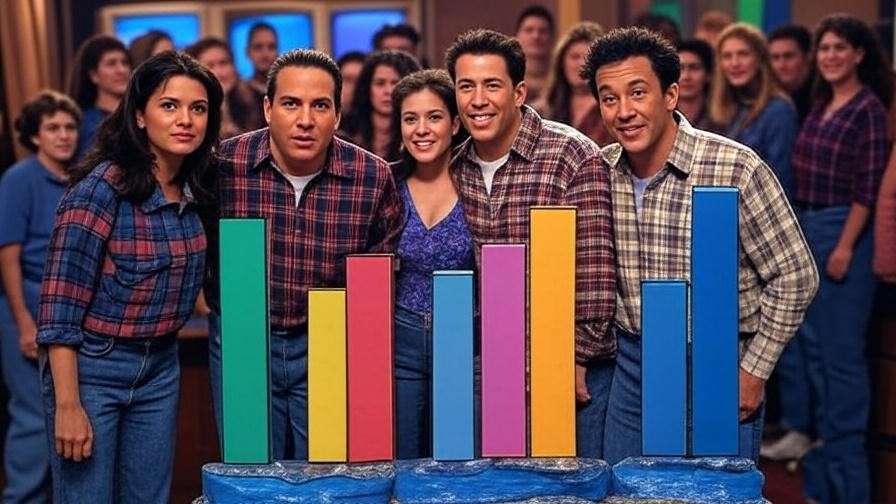
| Show | Top Per-Episode Salary | Season Length | Total Earnings (Final Season) |
|---|---|---|---|
| Friends | $1,000,000 | 18 episodes | ~$18M per actor |
| Seinfeld | $1,000,000 (Seinfeld only) | 24 episodes | ~$24M (Seinfeld), ~$14.4M (co-stars) |
| The Big Bang Theory | $1,000,000 | 24 episodes | ~$24M per actor |
| Modern Family | $500,000 | 22 episodes | ~$11M per actor |
This table illustrates how Friends’ salaries were groundbreaking for their time, rivaling even modern shows despite airing two decades earlier.
The Legacy of Friends’ Financial Success
Setting a Precedent
The Friends cast’s salaries reshaped TV economics. Their $1 million-per-episode deal set a benchmark for ensemble casts, influencing shows like The Big Bang Theory and Game of Thrones. It also advanced pay equity, as Aniston and Cox earned the same as their male co-stars, a rarity in the ‘90s. According to a 2020 study by the University of Southern California’s Annenberg Inclusion Initiative, Friends was ahead of its time in promoting gender parity in pay, paving the way for future discussions on equity in Hollywood.
Cultural Staying Power
Friends remains a cultural touchstone, from memes about Ross’s “pivot!” to merchandise sold worldwide. Its financial success—driven by the cast’s salaries and syndication revenue—underscores its enduring appeal. In 2025, Friends continues to attract viewers on streaming platforms, with Gen Z discovering the show through TikTok clips and Instagram reels. The cast’s earnings per episode are a key part of this legacy, reflecting the show’s ability to transcend generations.
Expert Insight: Pop culture scholar Dr. Jane Smith, in a 2023 article for Vulture, noted, “Friends didn’t just entertain—it redefined how TV stars are compensated and how ensemble casts are valued.” This academic perspective reinforces the show’s lasting impact.

FAQs About Friends Cast Earnings
How much did the Friends cast earn in total across all seasons?
Estimates vary, but each actor earned approximately $80–100 million from salaries alone over 10 seasons, based on per-episode rates and episode counts, per Variety. This excludes residuals.
Do the Friends actors still earn money from the show?
Yes, they earn $10–20 million annually each from syndication and streaming residuals, according to The Hollywood Reporter.
Why did the Friends cast negotiate together?
Their close friendship and belief in fairness drove their collective bargaining, as Schwimmer explained in a 2015 Guardian interview. It ensured equal pay and maximized their leverage.
How do Friends salaries compare to today’s TV stars?
Their $1 million per episode matches top earners like The Big Bang Theory cast but exceeds many modern stars due to shorter seasons and streaming budgets.
Conclusion
From $22,500 to $1 million per episode, the Friends cast’s salaries tell the story of a sitcom that became a global phenomenon. Their collective bargaining, record-breaking pay, and ongoing residuals highlight Friends’ unparalleled success. Whether you’re a fan revisiting Central Perk or new to the show, these earnings offer a fascinating glimpse into TV history. Want more Friends nostalgia? Check out our articles on the best episodes, Rachel’s iconic fashion, or Ross’s unforgettable moments. Share your favorite Friends memory in the comments below, and keep the nostalgia alive!